
Insert coin. Make selection. Mutaz gazed in wonder at the variety of cigarettes proffered by the chrome and faux wood=paneled vending machine in front of him. His head reeled from the barrage of voices that suddenly came at him from every direction. It contrasted sharply with the windswept ruin it had been mere moments ago. Or, rather, eight decades in the future.
His eyes stung from the haze of shisha smoke in the bar. He clutched the ram’s horn in his left hand so tightly that he could feel its pattern of ridges pressing into his skin. He suddenly felt the full weight of the stomach he carried, as well as a relentlessly surging pressure in his bladder. He looked around instinctively for a rehydrolyzer, but when his eyes lighted on the sign that said “restroom,” he remembered his training.
Once inside he was sickened, not so much by the smell as by the sight of water running freely from a dripping faucet and urine being collected in a porcelain bowl only to be discarded, along with potable water, into a sewer. Telling himself that they didn’t know any better did little to help settle his stomach.
He saw a calendar on the wall. It was 1977. He had grabbed the ram’s horn and uttered the sacred syllables a few minutes ago in 2064. Mutaz looked down at his feet.
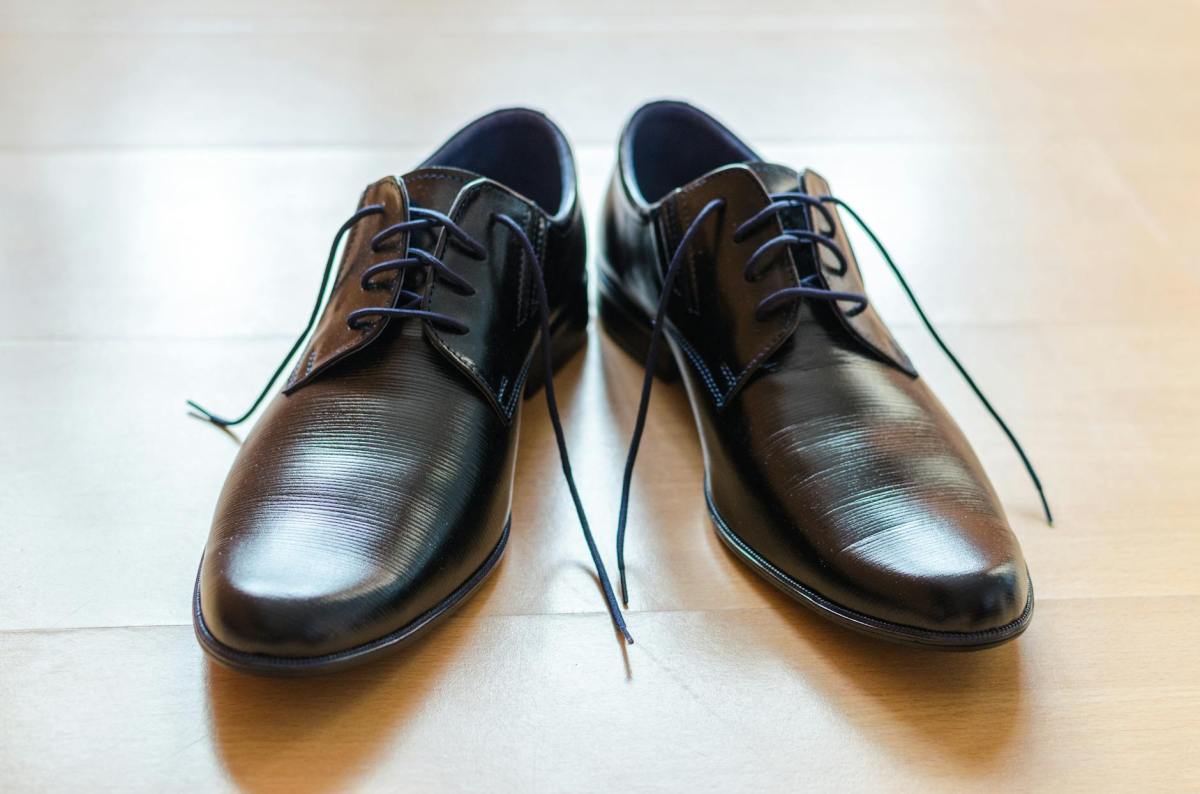
The shoes had brought him here. He had found them in the basement of a building that had a safe room in it. The building had been structurally weakened by a thermonuclear blast and then cracked in half by the earthquake that followed. This had allowed him entry into what had become a dry crypt, housing three fully-dressed mummies, their expressions reduced to embarrassed grins by the tightening of their flesh against their skulls.
Mutaz had found the shoes in a backpack in a metal locker in the bunker. He figured that anyone who had owned a large house with a safe room during The Disparity must have been among the few who benefitted from the inequality, what they used to call a “wealthy” person, and he wanted a taste of it.
He had put on the shoes and caressed the ram’s horn, speaking the words into it that would allow him to walk not only in someone else’s shoes, but in their feet. Now that he was back in a bar in 1977, he wanted to bathe in the respect and dignity that was afforded to hoarders of what they used to call “Money.” He reached in the pockets of the pants that clothed the body he was wearing to see if he could find any coins or bills. In his time they could only be found in museums.
“Abdul! What are you waiting for? There are tables to be cleaned! When you work here for me you must work just as hard as you do for your wealthy master,” screamed a mustachioed man behind the bar.
 Literature in Small Doses